Tree maintenance is a crucial part of ensuring healthy growth and maintaining the aesthetic appeal of your landscape. Two common practices in tree care are pruning and trimming, which are often used interchangeably. However, these are distinct processes with unique objectives that cater to different aspects of tree health and appearance.
What Is Tree Pruning?
Find out with Tree Service Safety Harbor FL: https://www.treeservicesafetyharborfl.com/
It is typically performed with the goal of improving a tree’s structure while fostering its natural growth.
- Disease prevention:Removing dead or infected branches helps minimize the spread of diseases within the tree or to neighboring trees.
- Growth management:Strategic cuts allow healthier branches to receive more sunlight, nutrients, and airflow.
- Safety enhancement:Elimination of weak or broken limbs reduces potential hazards near buildings, pathways, or utility lines.
- Structural improvement:Pruning encourages strong branch development in young trees and reduces future maintenance needs.
What Is Tree Trimming?
Tree trimming focuses on enhancing the appearance and shape of trees by cutting back overgrown branches. This practice is often part of regular landscaping maintenance to ensure that trees do not interfere with structures, power lines, or surrounding vegetation.
- Aesthetic appeal:Shaping a tree provides symmetry and improves its integration into your overall landscape design.
- Light optimization:Removing dense areas in the canopy allows sunlight to penetrate to lower plants or grass below the tree.
- Safety concerns:Cutting back overextended branches minimizes risks such as breakage during storms or interference with nearby structures.
Key Differences Between Tree Pruning and Trimming
| Aspect | Tree Pruning | Tree Trimming |
| Objective | Promotes health & growth | Enhances visual appearance |
| Focus Areas | Dead/diseased/damaged branches | Overgrown sections |
| Timing | Typically done during dormant seasons (winter/early spring) | Often performed during active growing seasons |
| Tools Used | Pruners, loppers, saws | Shears or hedge trimmers |
When Should Each Be Performed?
- Perform pruning when:
- The tree has visible signs of disease or decay.
- Branches appear weak or broken after storms.
- Structural improvements are necessary for young trees.
- Perform trimming when:
- Aesthetic refinement is needed for landscaping purposes.
- Overgrown branches block sunlight from reaching other plants.
- Trees encroach upon buildings, fences, driveways, or power lines.
Understanding these key differences will help you determine which service best suits your specific needs. While both practices are essential components of proper arboricultural care, knowing when and why they should be applied ensures healthier trees and a more visually appealing outdoor environment.
The Importance of Hiring Experts for Safety Harbor FL Tree Cutting Services
Caring for trees is crucial, not only to enhance the aesthetic appeal of your property but also to ensure the health, safety, and longevity of your trees. While it may be tempting to handle tree care yourself, hiring a professional tree service is often the better option. Here’s why relying on experienced arborists is essential for maintaining your trees’ health.
Expertise and Knowledge
Professional arborists possess extensive training and knowledge about tree biology, diseases, and proper care techniques.
– Identify potential problems such as pests or diseases before they become severe.
– Recommend specific pruning or trimming approaches tailored to the species of tree.
– Ensure that all services provided align with the best practices for tree health and preservation.
Their understanding of different tree species enables them to make informed decisions that enhance the overall well-being of your landscape.
Proper Equipment and Safety Measures
Maintaining trees often requires specialized tools and equipment that aren’t typically available in most households.
– High-quality saws and pruners designed for precise cuts.
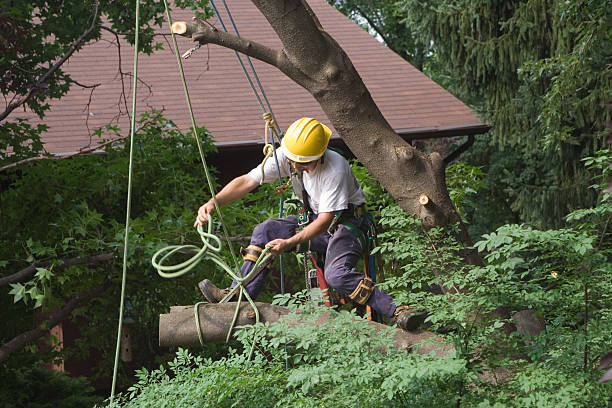
– Safety gear such as harnesses, helmets, and climbing ropes to prevent accidents during work at height.
– Advanced machinery like stump grinders or wood chippers for efficient removal processes.
Moreover, trained professionals are adept at implementing safety protocols to minimize risks during tasks such as cutting large branches or removing hazardous trees.
Prevention of Damage
Improper pruning or trimming can result in significant damage to trees, leading to poor growth patterns or even premature death. Professionals understand how much foliage should be removed without compromising a tree’s structural integrity or vitality.
– Avoiding over-pruning that can weaken a tree’s ability to photosynthesize effectively. – Ensuring cuts are made at the right locations to promote healthy regrowth. – Preventing unnecessary harm caused by incorrect tools or techniques.
Hiring experts reduces the likelihood of causing accidental damage that could prove costly down the line.
Time-Efficient Solutions
Tree maintenance can be labor-intensive and time-consuming if done alone without experience. Professionals streamline this process by working efficiently while ensuring every task is completed correctly. Their ability to assess needs quickly means less disruption for you while achieving optimal results.
| Task | Time Spent by DIY | Time Spent by Experts |
| Pruning small branches | 3–5 hours | 1–2 hours |
| Removing dead limbs | 5+ hours | 2–3 hours |
| Stump grinding | Full day | Half-day |
Long-Term Cost Savings
While hiring professional services may seem more expensive initially, it often saves money in the long term by preventing costly errors or accidents associated with DIY attempts.
1. Avoiding damage to surrounding property caused by falling limbs. 2. Reducing expenses from treating avoidable pest infestations or fungal infections. 3. Increasing property value through well-maintained landscaping features like healthy trees.
Professionals help clients achieve healthier landscapes while avoiding unnecessary financial burdens in future repairs or treatments.
Peace of Mind
Finally, entrusting your trees’ care to certified professionals provides peace of mind knowing they will treat each project with precision and care. Many companies also carry insurance coverage against potential liabilities (such as property damage), adding an extra layer of reassurance during complex jobs.
By investing in reliable professional services backed by expertise, advanced equipment, safety practices—and a commitment toward preserving natural ecosystems—you’re taking an important step toward promoting both healthier trees and safer surroundings within your outdoor spaces.
Essential Tips and FAQs About Tree Removal Safety Harbor FL Services
Tree pruning and trimming are essential practices for maintaining healthy, safe, and aesthetically pleasing trees. However, homeowners often have questions about these services before deciding to proceed. Below are answers to frequently asked questions about pruning and trimming to provide clarity on these critical aspects of tree care.
- Pruning:It may also involve shaping the tree for structural integrity.
- Trimming:Primarily done for aesthetic reasons or safety concerns. It involves cutting back overgrown branches to enhance the tree’s appearance or prevent hazards.
Both practices contribute to a tree’s well-being but are applied differently depending on the situation.
Finding the Right Tree Cutting Company in Safety Harbor FL for Pruning or Trimming
The timing varies based on several factors: – Pruning:Generally done in late winter or early spring when trees are dormant. This minimizes stress on the tree while encouraging healthy growth in the spring.Trimming:Can be performed year-round as needed, especially if branches pose a danger to property or people.
Always consult with professionals who can assess your specific trees’ needs for optimal timing.
How Often Should Trees Be Pruned or Trimmed?
The frequency depends on: 1.Tree Species:Fast-growing species may need more frequent maintenance. 2.Purpose of Care:– Trees grown for fruit production may require annual pruning. – For ornamental trees, every 2-3 years can suffice unless structural issues arise. 3.Environmental Factors:Trees exposed to storms, pests, or diseases require more attention.
A professional arborist can recommend an appropriate schedule tailored to your trees.
Can I Perform These Services Myself?
While minor trimming might seem manageable, professional expertise is recommended in most cases because: – Professionals use specialized equipment and techniques that prevent harm to the tree. – They follow safety protocols to minimize risks during work at height. – Arborists understand how much of a branch can be removed without damaging long-term growth patterns.
Attempting DIY care without proper knowledge can lead to accidental injuries or irreparable damage to your trees.
Do I Need a Permit for Tree Pruning or Trimming?
In some areas, local regulations require permits for work involving certain types of trees—especially heritage species—or if you live near public spaces like sidewalks. It’s advisable to check with city ordinances before proceeding with any significant tree care activities.
| Regulation Type | Does It Apply? | Example Scenarios |
| Heritage Tree Permits | Often Yes | Large historic oak in residential yards |
| Public Property Rules | Always Required | Branches extending over streets |
| HOA/Gated Community Rules | Sometimes Depending on HOA’s Policy | Removing large limbs close to property lines |
Consulting with professional services ensures compliance with all legal requirements in your area.
What Are Signs That My Trees Need Immediate Attention?
Recognizing when a tree requires pruning or trimming is crucial: – Dead branches – Overhanging limbs near power lines – Cracked or split branches – Excessively dense canopy blocking sunlight – Signs of disease such as discoloration or fungal growth
Early detection prevents further damage and promotes long-term health for your landscape’s greenery.
By addressing these common concerns about pruning and trimming services, you’re equipped with the knowledge necessary for informed decisions about maintaining your trees’ health and appearance. Always consider enlisting skilled professionals who can deliver quality results efficiently while prioritizing safety.
Exploring the Importance of Pruning for Tree Growth and Longevity
Pruning is a crucial aspect of tree care that promotes healthy growth, enhances structural integrity, and extends the life of trees. Proper pruning techniques allow trees to thrive while preventing potential hazards caused by weak or overgrown branches. This practice goes beyond aesthetics, offering numerous benefits for both the health of the tree and its surrounding environment.
Why Pruning Matters for Tree Health
- Removing Dead or Diseased Wood: Dead or decaying branches can harbor pests and diseases that may spread to other parts of the tree. Pruning helps eliminate these threats before they escalate.
- Encouraging New Growth: By cutting back old or overgrown branches, pruning stimulates new growth and encourages better foliage production.
- Improving Air Circulation: A well-pruned tree allows sunlight to penetrate through its canopy and improves airflow, reducing the risk of fungal diseases.
Structural Benefits of Pruning
- Preventing Weak Branches: Removing poorly attached branches reduces the likelihood of breakage during storms or high winds.
- Balancing Weight Distribution: Proper pruning ensures even weight distribution across the canopy, minimizing stress on main limbs.
- Maintaining Clearance: Trimming lower branches near sidewalks, driveways, or buildings prevents interference with infrastructure.
How Pruning Supports Longevity
| Benefit | Impact on Longevity |
| Disease Prevention | Minimizes spread of infections |
| Enhanced Nutrient Allocation | Directs resources to healthy parts of the tree |
| Reduced Stress | Prevents overgrowth that strains root systems |
By addressing these factors early on, pruning helps trees sustain optimal health for decades.
Best Practices for Effective Tree Pruning
- Prune During Dormant Seasons:Late winter or early spring are ideal times for most species as trees are less vulnerable during dormancy.
- Use Clean Tools:Sanitize tools between cuts to prevent disease transmission.
- Focus on Problem Areas:Prioritize cutting deadwood, damaged limbs, and crossing branches first.
- Avoid Over-Pruning:Cutting too much at once can shock the tree and hinder its recovery process.
Consider Professional Assistance
While smaller shrubs or young saplings might be manageable on your own, larger trees often require expert care. Certified arborists possess advanced knowledge in identifying where and how much to prune without compromising long-term health. Hiring professionals ensures safety while maximizing benefits for your tree’s growth and longevity.
Investing in proper pruning practices is an essential step toward nurturing resilient trees capable of withstanding environmental challenges over time.
The Benefits of Trimming Trees to Enhance Their Shape and Safety
Tree trimming is an essential practice for maintaining the health, structure, and safety of trees in both residential and commercial landscapes. Proper trimming not only enhances the aesthetic appeal of a property but also prevents potential hazards caused by overgrown or weakened branches. Below, we explore the key benefits of tree trimming and how it can positively impact both your landscape’s beauty and safety.
Improved Aesthetic Appeal
One of the primary reasons property owners invest in tree trimming is to maintain an attractive outdoor environment. Over time, trees may develop uneven growth patterns or have branches extending in undesirable directions, which can diminish the overall appearance of your property.
– Shape trees into a visually pleasing form.
– Remove unsightly dead or damaged branches.
– Ensure even distribution of foliage for a balanced look.
A properly trimmed tree instantly elevates curb appeal, making your outdoor space more inviting.
Enhanced Safety Measures
Overgrown or poorly maintained trees can pose significant risks to people, property, and infrastructure.
– Removing weak or dying branches that could break off during storms or high winds.
– Preventing overhanging limbs from damaging nearby structures like buildings, fences, or power lines.
– Improving visibility on driveways and walkways by clearing obstructive growth.
Taking proactive measures through consistent trimming minimizes the likelihood of accidents caused by falling limbs.
Healthier Tree Growth
While aesthetics and safety are important considerations, tree health remains a critical aspect of regular trimming practices. Trimming encourages healthy growth patterns and ensures that resources such as sunlight, water, and nutrients are channeled effectively throughout the tree.
| Trimming Benefit | Result |
| Removing diseased branches | Prevents infections from spreading |
| Thinning dense canopies | Allows sunlight penetration |
| Cutting away competing shoots | Promotes balanced growth |
Healthy trees not only live longer but also contribute positively to their surrounding ecosystem by providing shade, oxygen production, and habitat support for wildlife.
Prevention of Property Damage
Trees with unchecked growth can become a liability when they interfere with nearby structures or utility lines.
– Potential damage to roofs caused by overhanging limbs can be mitigated. – Trees are less likely to cause electrical outages due to contact with power lines. – Properly trimmed roots prevent damage to sidewalks and foundations without compromising stability.
These preventive measures save homeowners from expensive repairs down the road while ensuring compliance with local regulations regarding vegetation management near utilities.
Key Times for Tree Trimming
- Dormant Season– Late fall through early spring is ideal for most species since this reduces stress on the tree during active growth periods.
- After Storm Damage– Conduct emergency trimming if branches are damaged after severe weather conditions.
- Signs of Overgrowth– Schedule maintenance if branches appear too dense or begin interfering with structures nearby.
Working within these timeframes ensures optimal results while preserving overall tree health.
Investing in regular tree trimming services offers multiple advantages that go beyond visual enhancements alone—improving safety measures while fostering robust growth cycles makes this practice essential for any well-maintained landscape plan.
Can You Perform Pruning and Trimming on Trees Simultaneously?
Pruning and trimming are two essential tree care practices, and while they serve different purposes, it’s possible to perform both simultaneously under the right circumstances. Understanding when and how to combine these practices can help maintain the health, aesthetics, and safety of your trees.
Differences Between Pruning and Trimming
- Pruning: Primarily done to remove dead, damaged, or diseased branches. It also helps improve tree health by fostering proper growth patterns.
- Trimming: Focuses on enhancing aesthetics by shaping the canopy or removing overgrown areas. It can also improve safety by addressing branches that may be too close to structures or utility lines.
Despite their differences, pruning and trimming often overlap in processes as they involve cutting away parts of a tree. However, each action has specific objectives that guide how it’s performed.
When Can You Combine Pruning and Trimming?
- During seasonal tree care (e. g. , late winter or early spring), you may address both objectives at once.
- Dead limbs can be pruned while shaping is done on healthy branches.
- If a tree poses a safety risk (e. g. , overhanging limbs near power lines), trimming can complement pruning efforts aimed at removing hazardous deadwood.
- While removing diseased or dying wood through pruning, some light trimming might add balance to the overall appearance of the tree.
Best Practices for Combining Pruning and Trimming
- Timing Matters: Trees should ideally be pruned and trimmed during their dormant periods (usually late fall through early spring) unless there’s an urgent safety concern.
- Use Proper Tools: Ensure tools like pruning shears or saws are sharp and sterilized to avoid unnecessary damage or spreading disease.
- Prioritize Tree Health First: Begin by addressing deadwood or problem areas before focusing on aesthetic shaping.
- Avoid Overcutting: Removing too much foliage at once can stress a tree. Experts recommend not cutting more than 25% of a mature tree’s canopy in one session.
Advantages of Simultaneous Tree Care
| Benefit | Explanation |
| Time Efficiency | Saves time by reducing multiple maintenance sessions into one effort. |
| Cost Savings | Hiring professionals for combined services can reduce overall expenses. |
| Enhanced Appearance | Immediate improvement in both health and visual appeal post-maintenance. |
When Separate Care Is Better
- If extensive pruning is required due to disease or decay, focus solely on recovery before addressing aesthetic adjustments.
- For species with sensitive growth patterns (such as flowering trees), timing trimming separately after the blooming season may yield better results.
By considering these factors carefully, property owners can achieve healthier trees while maintaining their beauty effectively over time.
Expert Tips When You Need Help with Professional Tree Services
When it comes to maintaining the health, aesthetics, and safety of your trees, seeking professional tree services can make a significant difference. While some minor tasks, like removing small dead branches, might be manageable on your own, more complex jobs require expert intervention. Below are actionable tips to help you navigate the process when hiring or working with professional tree service providers.
Before reaching out to professionals, it’s important to know what type of service you need.
- Tree Pruning:Removing dead or overgrown branches to promote healthy growth.
- Tree Trimming:Shaping the tree for aesthetic appeal and safety.
- Tree Removal:Safely cutting down and removing a tree that poses risks or is diseased.
- Stump Grinding:Eliminating leftover stumps to improve the landscape.
- Emergency Services:Addressing storm damage or hazardous situations.
Clearly defining your needs ensures you hire the right expert for the job.
Not all tree service providers deliver the same level of expertise.
- Look for arborists certified by organizations such as the International Society of Arboriculture (ISA).
- Ensure they have a valid license to operate in your area.
- Verify that the company carries liability insurance and workers’ compensation coverage.
- This protects you in case of property damage or employee injuries during the work.
- Read customer reviews online and ask for recommendations from friends or neighbors.
- Check platforms like Better Business Bureau (BBB) for ratings and complaints.
Ask for quotes from multiple companies before making a decision.
| Service Description | Estimated Cost ($) | Timeframe |
| Tree pruning per tree | $100-$500 | Half-day |
| Tree removal (small) | $300-$900 | Full day |
| Stump grinding (per stump) | $100-$400 | Hourly basis |
A detailed breakdown will help you compare prices and avoid hidden costs.
Safety is paramount when dealing with trees, especially large ones or those near structures.
- Use of personal protective equipment (PPE), including helmets, gloves, and harnesses.
- Proper handling of tools like chainsaws and wood chippers.
- Rigging techniques to prevent accidents during branch removal or tree felling.
Don’t hesitate to ask about their safety measures during consultations.
Trees require ongoing care beyond emergency services. Establishing a regular maintenance schedule can extend their lifespan significantly.
- Annual Inspections:Professionals assess overall health and structural stability once a year.
- Pruning Frequency:Most trees benefit from pruning every two to three years based on species and age.
- Seasonal Care:Additional trimming may be needed after storms or during rapid growth periods in spring/summer.
Routine care helps trees thrive while mitigating potential risks caused by neglect.
- Lack of proper identification or credentials.
- Unwillingness to provide references or proof of insurance.
- Offers that seem suspiciously low-priced compared to competitors.
Avoid working with providers who pressure you into quick decisions without transparency.
By following these expert tips, you’ll ensure that your trees receive high-quality care while safeguarding your property against unnecessary risks.
Expert Tips When You Need Help with Professional Tree Services
Caring for trees is essential for maintaining the beauty and safety of your property. While some tree care tasks can be performed by homeowners, there are times when hiring professional tree services becomes necessary. Below are expert tips to help guide you when seeking assistance from tree service professionals.
Assess the Scope of the Work
Before contacting a professional, it’s important to evaluate what your trees need.
- Tree Pruning or Trimming:To remove dead branches, improve tree structure, or promote healthy growth.
- Tree Removal:For safety concerns, such as dead or hazardous trees that are at risk of falling.
- Emergency Storm Clean-Up:After severe weather events like storms or heavy winds that cause significant damage.
- Stump Grinding:To remove unsightly stumps that could attract pests or obstruct landscaping projects.
Understanding the type of work required will allow you to communicate effectively with a service provider and ensure they’re equipped for the job.
Research Qualified Professionals
When selecting a tree care company, take the time to research their qualifications and reputation.
- Licensed and Insured:Verify that the company holds proper licensing and carries liability insurance to protect against potential damages or injuries on your property.
- Certified Arborists:Choose companies with certified arborists who have specialized knowledge in tree health and care.
- Positive Reviews and References:Check online reviews, testimonials, and ask for references from past customers.
These steps will help you find a reputable provider you can trust.
Ask About Equipment and Safety Practices
Tree services often involve heavy machinery and dangerous tasks like climbing tall trees.
- Harnesses and protective gear for climbers.
- Rigging systems to safely lower heavy branches.
- Well-maintained tools like chainsaws and wood chippers.
- Compliance with local safety regulations.
A reliable company will prioritize safety for both their workers and your property.
Request an On-Site Evaluation
Reputable tree service providers will often offer an on-site evaluation before providing a quote.
| Key Considerations | What They Evaluate |
| Property Layout | Proximity of trees to buildings, power lines, or other obstacles |
| Tree Health | Signs of disease, pest infestations, or structural weaknesses |
| Job Complexity | Required equipment, time frame, and potential risks |
An in-person assessment ensures accurate pricing tailored to your specific needs rather than generic estimates.
Avoid Common Pitfalls
- Don’t settle for unlicensed workers offering quick fixes at low costs—this could lead to poor workmanship or legal issues.
- Avoid scheduling major services during peak seasons unless it’s an emergency; spring often has high demand due to seasonal growth cycles.
- Always get a written estimate detailing costs for labor, materials (if applicable), cleanup fees, etc. , before agreeing to any work.
Stay Involved During the Process
Even after hiring professionals, stay involved by asking questions about their methods or recommendations for long-term tree health care. A collaborative relationship ensures your expectations are met while maintaining clear communication throughout the project duration.
Engaging skilled professionals not only improves your trees’ health but also enhances overall safety on your property—an investment worth making when expertise is required.
- Understanding the Importance of Safety Harbor FL Tree Trimming and Pruning
- Comprehensive Guide to Tree Removal Safety Harbor FL: Costs and Considerations
- Safety Harbor FL tree cutting service: Understanding Tree Trimming vs. Pruning for Proper Care
- Essential Reasons to Choose Professional Tree Removal Safety Harbor FL Services for Your Property
- Essential Signs You Need Safety Harbor FL Tree Cutting Services
- Key Methods for Safety Harbor FL Tree Trimming: Understanding the Difference Between Tree Removal and Tree Felling